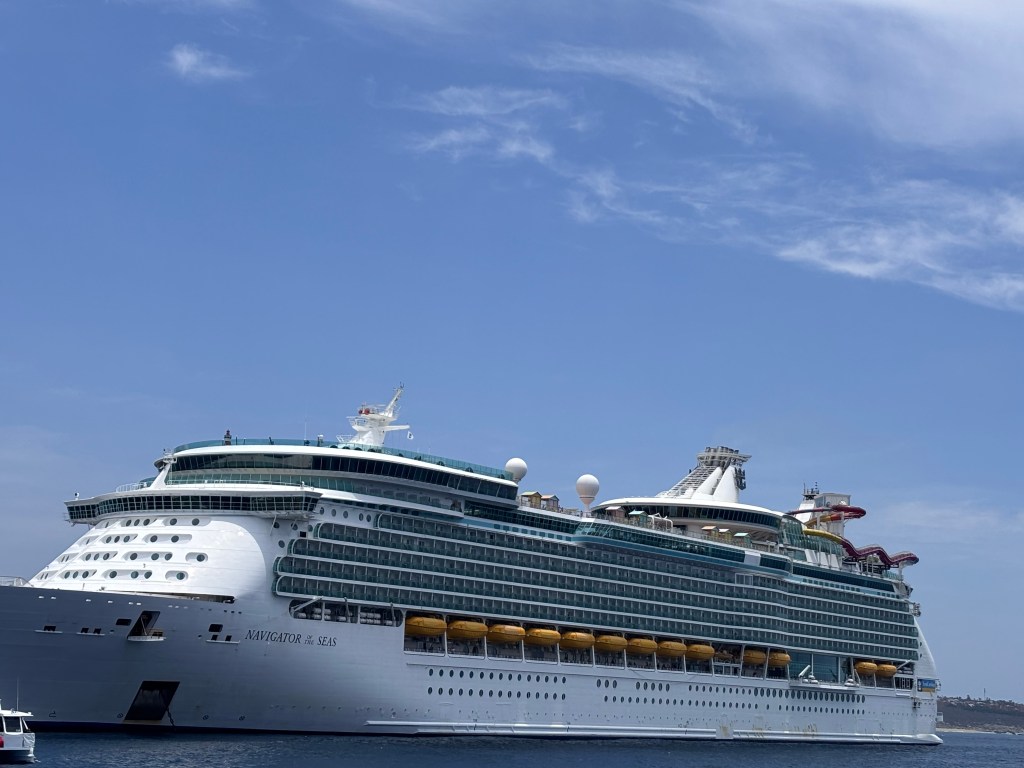
If you want to cruise Europe for a relatively low price and are able to get away for 2-3 weeks, then a TransAtlantic cruise might be right for you.
I recently took one with a few retired relatives who didn’t have to worry about missing work. #bliss.
Because I’m a remote worker, I figured I could work on board half the time and enjoy my cruise the other half. Which is more or less how the trip worked out, with a little more “less” than I had planned for, if I’m being honest. Even with a few missteps, I would do a TransAtlantic cruise again in a heartbeat, but I would be much better prepared for the challenges I faced.
I’d love to save you some of the headaches I faced, so here are some of the things I will be better prepared for on my next ocean crossing.
The Sea Days Go Super Fast
The big question people ask is, “Won’t you get bored with all those sea days?” And honestly, no. I never did. Now, that is partly because I worked during each of the first five sea days, so it was more or less like working back home, except I didn’t have to cook dinner or drive anyone around to soccer practice after I logged off for the day.
But even my relatives I traveled with who were not working said they never got bored on sea days. There are tons of things to do, and they go beyond the standard four-night cruise activities. There are enrichment talks multiple times a day, including about our destinations, which I found super helpful. There are also crew chats, where you can learn what it’s like to work onboard from different teams, trivia galore, and game shows during the day, not just at night.
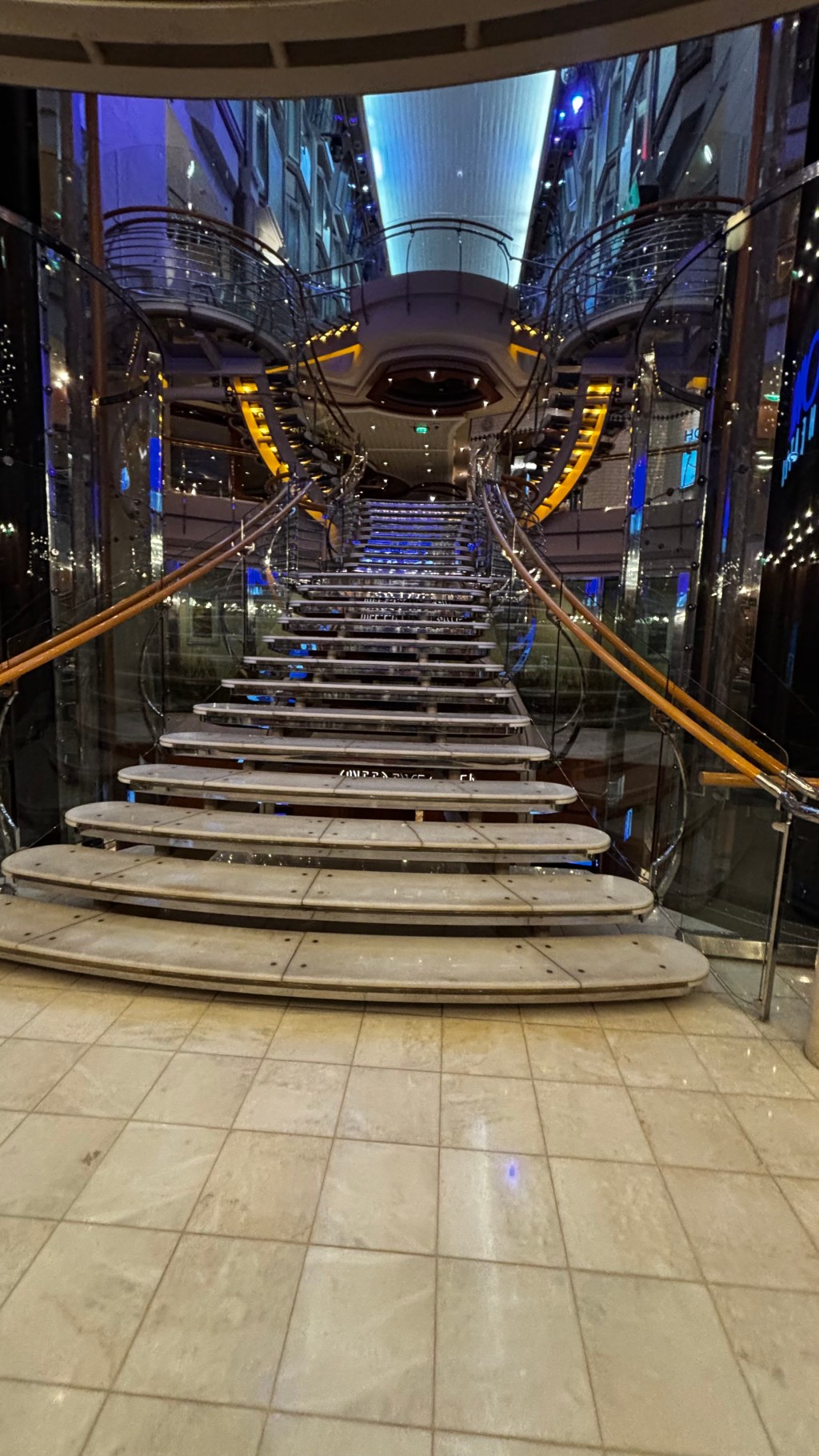
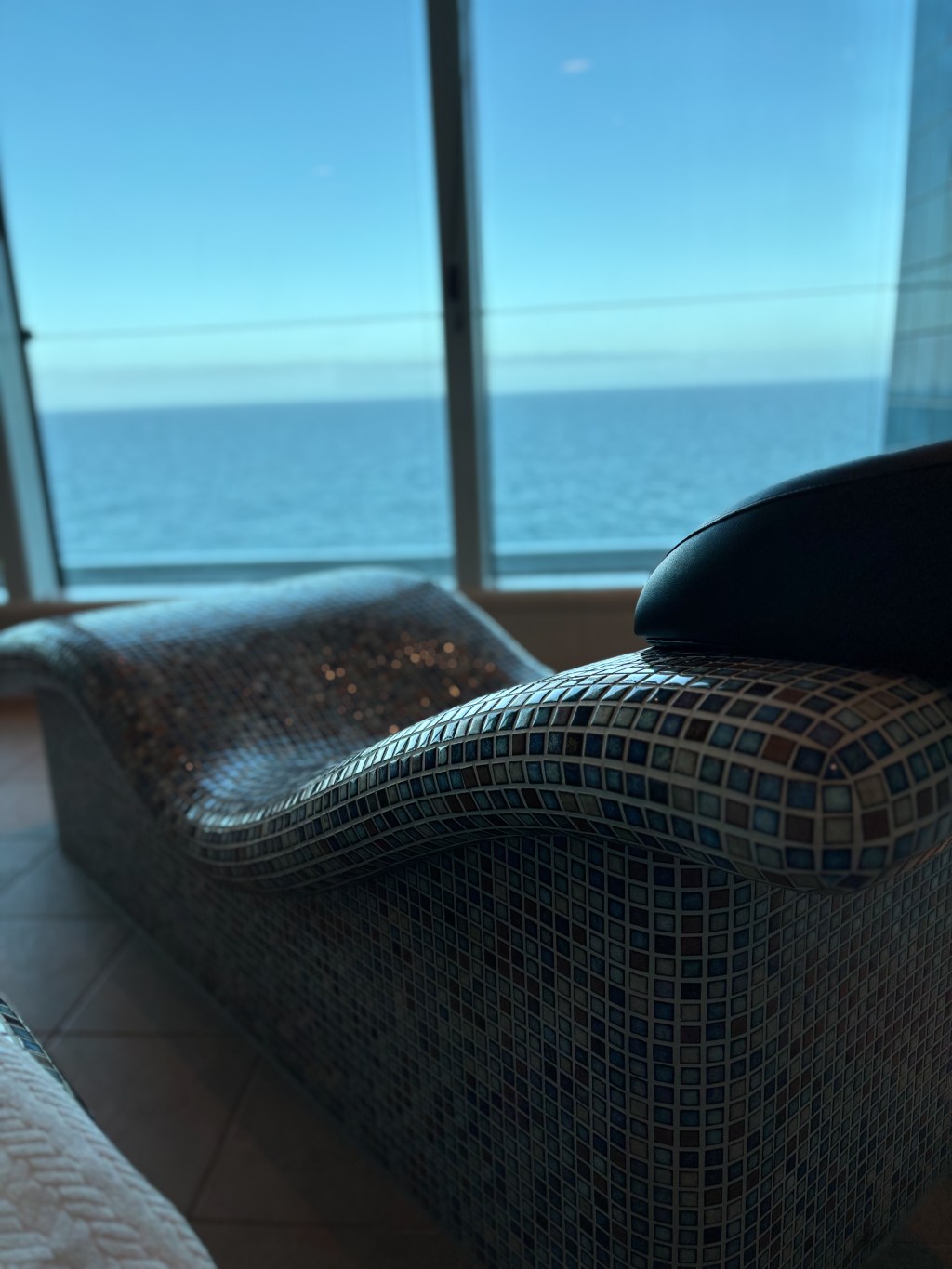
If you are worried about sea days, don’t be. There’s a ton to do, and so many different venues that you can feel like you got out, even if you never get outside. Which might happen because….
The Seas are ROUGH
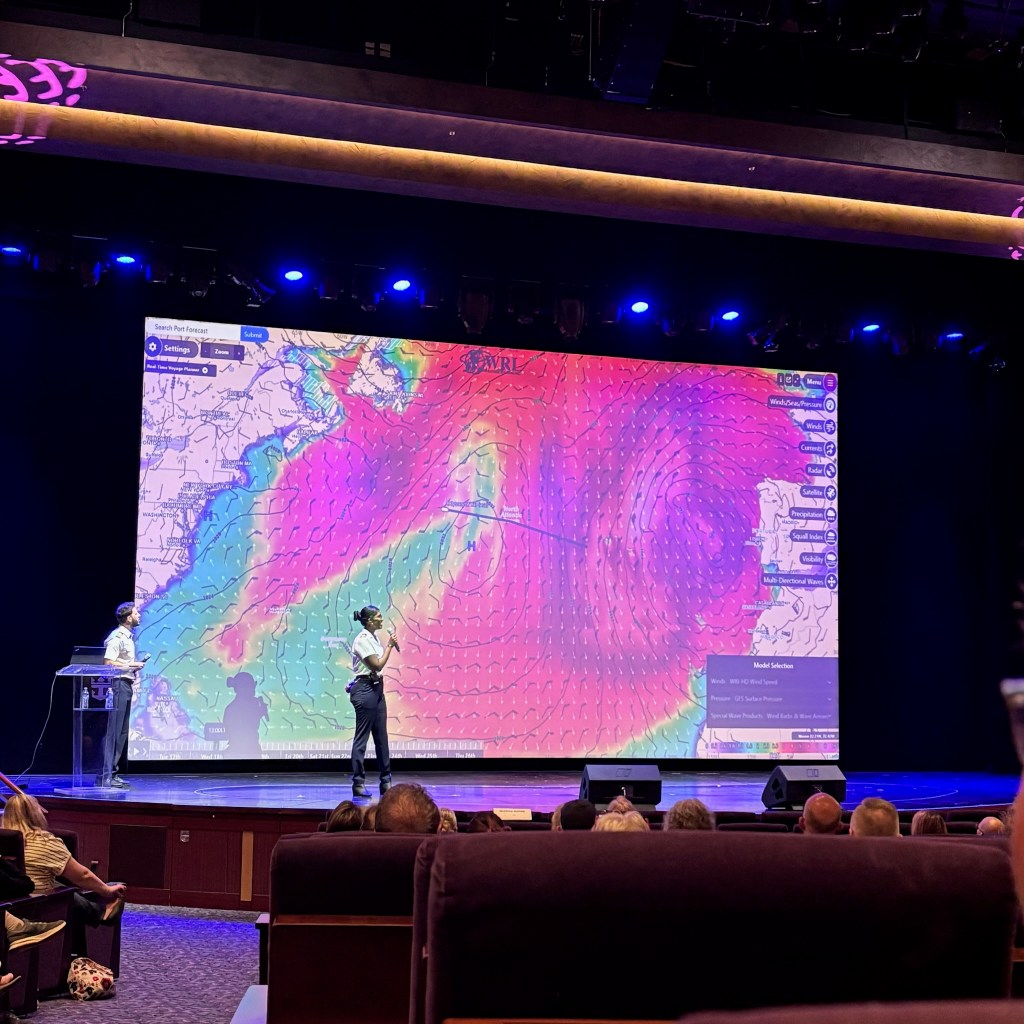
Apparently, this has to do with when we sailed (mid-March) and the direction we sailed (East). I will never claim to be a maritime expert, but it seemed to be a well-known fact that we’d encounter rough seas. One of the crew chats helpfully visualized this for us.
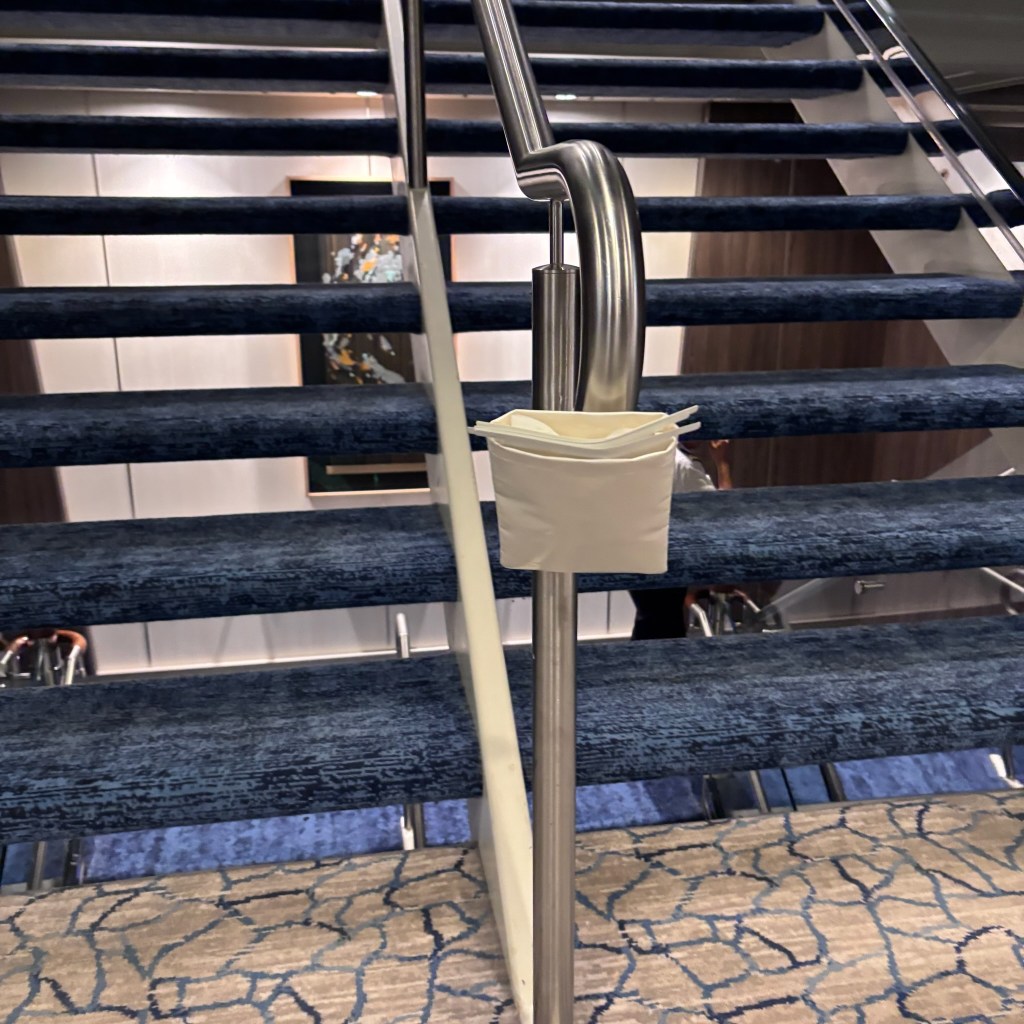
I never got seasick, but many people did. So much that they helpfully put out these lil barf bags on each staircase. They also closed off the decks. The only place you could walk outside was on 14, between the Solarium and Windjammer. I had an interior cabin, which was great, as these tend to be more stable than a balcony since they are in the center of the ship. Because of the winds, people couldn’t open their balcony doors. Being the cheapskate that I am, I would have been really annoyed if I’d paid for a balcony that I couldn’t use for the first week of sailing.
The bottom line is to always bring your seasickness meds, even if you don’t think you will need them. This isn’t like going to the Mexican Riviera, where the seas are mostly calm (except during hurricane season). And I also don’t recommend going nuts on the drink package until you know how the seas will affect you. I didn’t drink at all the first week, and I believe that if I had, I might have felt much, much worse.
The Time Change Sucks
This is what surprised me the most. I knew intellectually that we would be slowly changing times, but I didn’t expect it to have as much of an impact as it did. We ended up with 5 time changes total. By the end of the first week, I found myself sleeping until 11 or 12 ship time, which is NUTS, but then I realized it was really 6 or so AM in my home time, Central Time. I stupidly stayed up late the first few nights anyway, thinking “what’ll it hurt?”
Friends, it hurt everything. My brain. My body. My ability to get up in time to eat breakfast. My soul. Ok, maybe that is a bit melodramatic. But still, the time change was by far the worst part of this trip for me.
Next time I sail East, I will be more responsible going into the first one or two time changes instead of falsely believing my body could bounce back as if I were in my 20s. After all, with 2 weeks on board, there was still plenty of time to enjoy late nights without getting too far off my schedule.
The Ports are Incredible
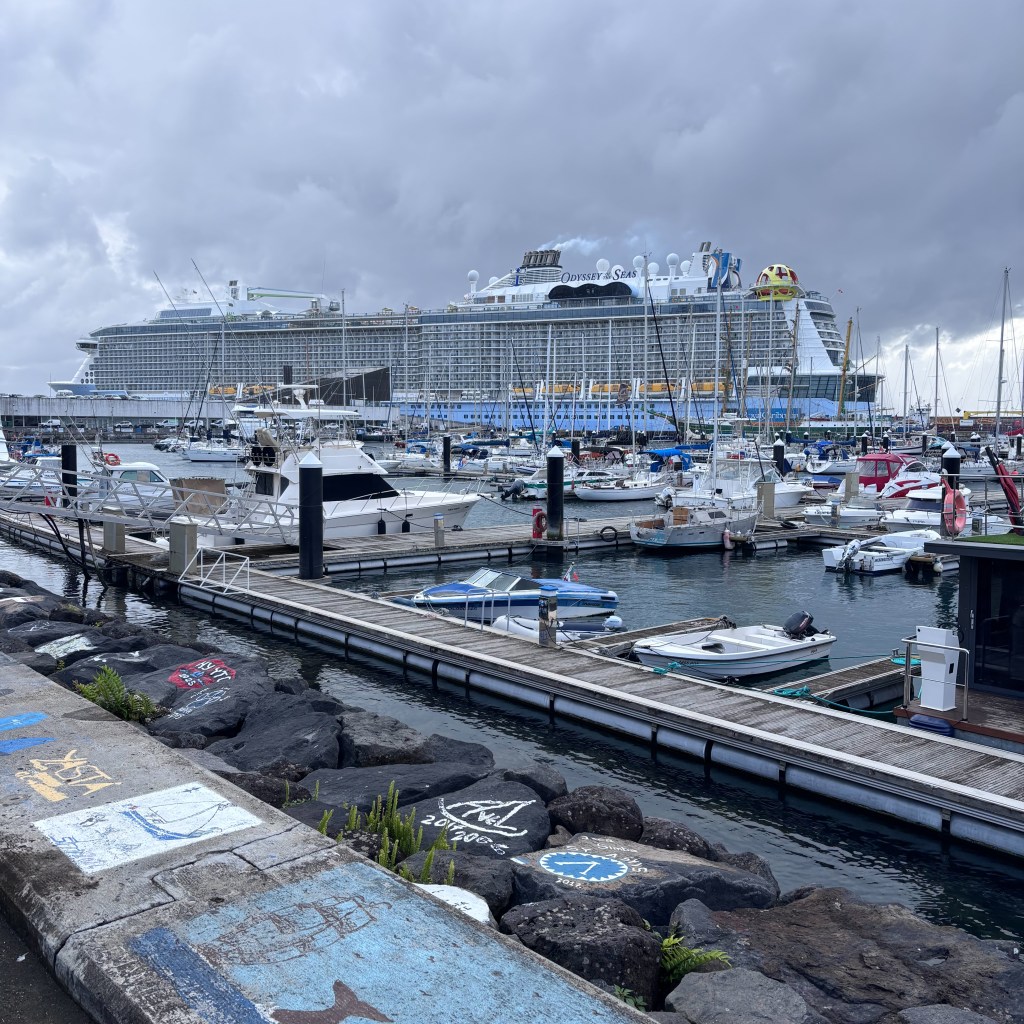
Ok, so the real reason you’re taking a TransAtlantic cruise is to see the ports, and you will not be disappointed. I hope you end up in the Azores, whether in Ponta Delgada or another city. This was absolutely a highlight for us, and it’s very unique because you really only get here by cruise (or if you fall in love with it on a cruise and come back for a longer stay).
We left Lisbon at night, which was also very, very cool. We really enjoyed sitting up and watching us leave port around 11 PM. Going under the bridge was an unforgettable moment for us, something that I will treasure for the rest of my life.
It was really cool to see so many different parts of Spain, but Gibraltar was my absolute favorite. This is another place that’s really unique to visit because of where it’s situated. It’s very easy for a cruise to get to, but otherwise, I’m not sure I would have ever thought of visiting here. We took a taxi excursion to the Rock, where we got to go inside the cave and, of course, see the famous Barbary Apes. We got lunch at a local pub, and I had some of the best fish and chips of my life (and I did a semester in London, so, yes, I’ve had legit fish and chips).

But They are All Close Together
Ok, so the one downside of the way TransAtlantic cruises are structured is that the ports are all right together. We did Ponta Delgada, then one sea day, then Lisbon, and from there it was port after port after port after port – there were 7 total. So the incredible thing is that you get to see all these awesome places. But the downside is that you get surprisingly tired touring new cities day after day (I know, I know, first world problems).
After coming home, I had moments where I wished I had been more adventurous in some ports instead of just getting off the ship and wandering around for an hour or two before getting back on board. But then I remember how exhausted I was and am grateful that I took the time to explore anything at all.
You’ll be Glad You Stayed A Few Extra Days
We ended in Barcelona, Spain, and this is where the slow time change proved to be useful. Instead of being exhausted when we checked into our vacation rental, we felt ready to get out and explore. We dropped our bags and immediately walked to La Sagrada Familia, then found a nice spot for a long lunch. I never felt jetlagged for the week we spent in Barcelona, and I was really glad we tacked on a few extra days instead of just flying home.
Having a full week gave us time to see everything we wanted, and we even booked a Viator tour to Girona, Spain and Southern France for a day. This was another very memorable day, and I am so glad we took the time to see another country while we were here.

Quick Tips for Making the Most of Your TransAtlantic Cruise
Here are the quick hits of how to make the most of your TransAtlantic sailing:
- Bring seasickness meds
- Prepare for losing sleep as you cross the ocean
- Be strategic with excursions: Book the ones you really want, and be OK not seeing as much of other cities
- Pack comfy clothes – you’re going to do a LOT of walking
- Choose at least one new thing to do onboard during sea days
- If you are working while cruising, try to front load your at-sea week so you don’t lose out too much when the time starts to change
- Bring an analog clock that is set to your home time if you need to be available for calls/messages from work – this was a lifesaver for me when the ship time didn’t match my phone time.
Would you travel across the ocean on a cruise? Let me know in the comments or on Instagram @the.seasuite. And if you want to book one for yourself, send me an email at theseasuitelife@gmail.com or click the button below to book directly!


Leave a Reply